Parity in Mathness: Use Odd-Even Logic to Cut Dead Ends
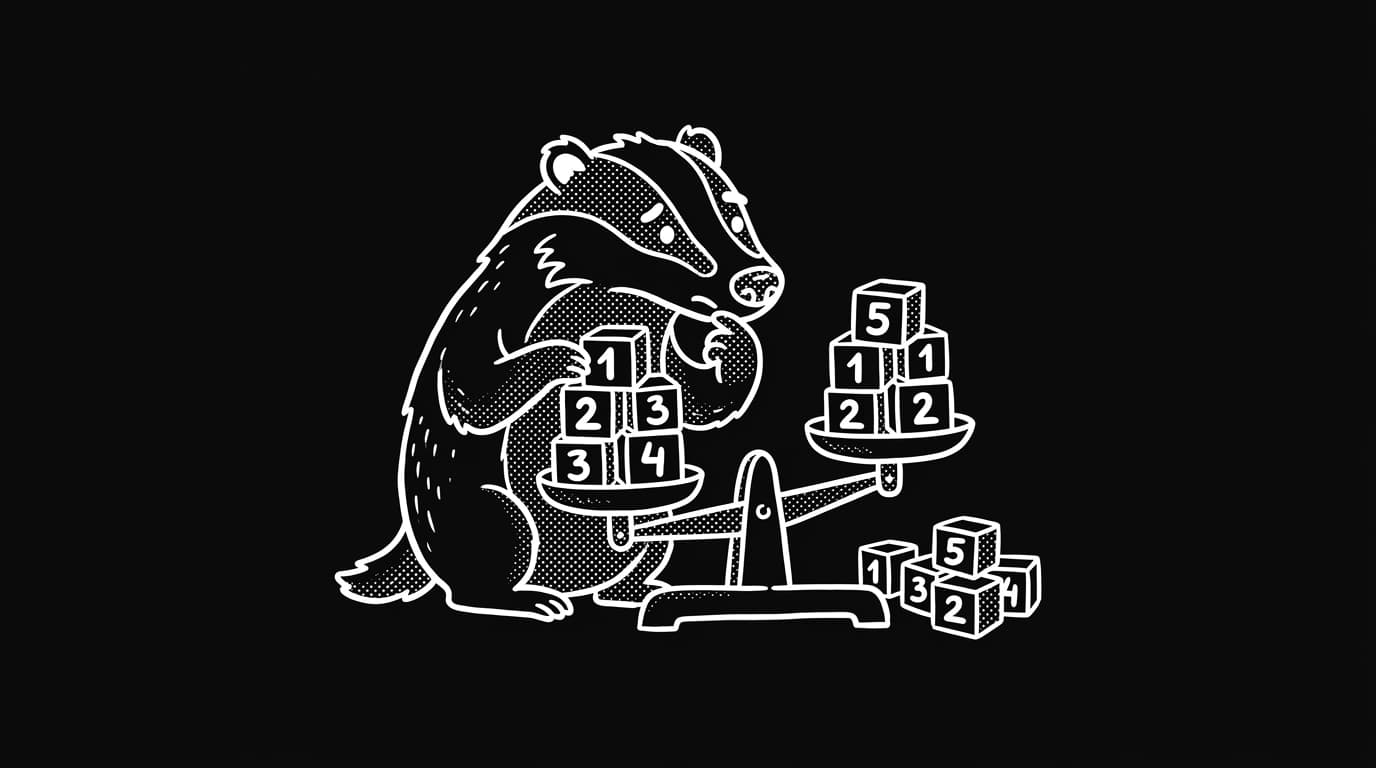
Parity is the cheapest filter in Mathness. Before you compute a single move, the odd-even pattern of the target tells you which paths cannot land and which deserve your first six seconds. Players who skip this check burn rounds chasing arithmetic that was never going to hit. The four rules take ninety seconds to learn and shave two to four seconds off most boards once they become a reflex.
The Four Parity Rules That Govern Every Mathness Round
Every operation in Mathness changes parity in a predictable way. Odd plus odd is even, odd plus even is odd, and even plus even is even. The same pattern holds for subtraction because subtraction is addition of a negative. Multiplication has its own rule: odd times odd is odd, and any product with an even factor is even. Division is the only operation that can break the rule, because a quotient may not be an integer at all and an even divided by an even can land on an odd result.
Mathness scoring rewards exact landings on the target, so a path whose final parity cannot match the target is dead before you compute it. If the target is 47 and your only remaining moves combine two even numbers with addition and multiplication, you cannot reach an odd result. The check costs one glance. The waste of pushing through costs four to seven seconds and usually a missed round.
Reading the Target's Parity in the First Two Seconds
Open every Mathness round on the target tile, not the operand tiles. Note odd or even first, then count how many odd operands the board offers you. The count of odd operands is the load-bearing number, because addition and subtraction only flip parity when an odd number enters the chain. An even target with one odd operand means that odd operand must be paired or removed. An odd target with zero odd operands is unreachable through plus and minus alone, so multiplication or division must change the picture.
The rule sharpens when you combine it with board-level pattern recognition. A board with a target of 24 and operands {3, 5, 6, 8} has two odd operands, which means any plus-minus path that uses both odds keeps parity even, and any path that uses one keeps it odd. That single observation cuts your search by half before you compute anything. Run the same scan on every round in the daily Mathness and the habit becomes automatic inside a week.
- Even target, zero odd operands: plus-minus paths stay even, safe to chase
- Even target, one odd operand: the odd must be multiplied by an even, or dropped via subtraction with another odd
- Odd target, one odd operand: the odd operand has to survive to the final step
- Odd target, two odd operands: pair them once with plus or minus to preserve one odd downstream
- Odd target, zero odd operands: only division or a non-integer detour can reach it
When Parity Eliminates Half the Board
Parity hits hardest on boards with four to six operands and a tight target. The count of plus-minus combinations grows fast, but half of them collapse to the wrong parity. Cutting those candidates before computing is the difference between a six-second round and a twelve-second one. On a six-operand board with three odd numbers and an even target, only the combinations that use zero or two of the odd numbers stay viable for the final step.
The same logic applies to multiplication chains. If the target is odd and the board shows a single even operand, that even number cannot appear in any multiplication step that survives to the final move. It must be subtracted, divided, or paired off early. Players who default to multiplication-first on every board, the habit covered in operation order, get punished by odd targets when they ignore parity. The fix is one second of reading before the first tap.
Where the Check Fails: Division and Non-Integer Detours
Division breaks parity logic because the quotient is not guaranteed to be an integer, and Mathness allows non-integer intermediates as long as the final landing is exact. A board with target 7 and operands {2, 4, 6, 14} looks parity-dead because every operand is even. The path 14 divided by 2 equals 7 finishes the round in one move. A pure parity scan would have killed it.
The fix is a two-step read. Run the parity scan first to cull plus-minus and multiplication paths, then check whether any single division produces the target directly or produces an odd intermediate. Division of an even by an even can land on an odd, and that escape valve appears on roughly one Mathness round in seven. Keep the escape in mind on every odd target paired with all-even operands, and never call a board parity-dead until you have scanned the division pairs.
The Five-Day Parity Drill
Build the reflex with a focused five-day routine on the daily board. Each session takes four minutes and trains one piece of the check. After day five the read happens before you consciously plan a move, which frees attention for the arithmetic itself.
- Day 1: open ten rounds and call odd or even on the target out loud before touching a tile
- Day 2: open ten rounds and count odd operands within two seconds of seeing the board
- Day 3: open ten rounds, predict the parity of the final step, then play normally
- Day 4: open ten rounds and skip any plus-minus path whose parity cannot match the target
- Day 5: open ten rounds at speed, no narration, parity check folded into the opening glance
After the drill, check your average round time on the leaderboard and compare it against the week before. A two-second improvement on the daily Mathness average is a realistic gain, and the effect compounds on ranked rounds where every second affects placement. The drill costs twenty minutes of total play across five days. Run it again every six weeks because the reflex fades faster than the rules.