MATHNESS BLOG
Math puzzles, mental math & strategy
Short reads on getting better at number puzzles — how to play, how to think faster, and why a one-minute math game is the brain snack you didn't know you needed.
Mental Math for Programmers: Binary, Hex, and Powers of Two
Five mental math primitives for programmers: powers of two, binary conversion, hex shortcuts, shift arithmetic, and Big-O estimation on the fly.
Read more →
Mental Percentage Solver: Any Percent in Under 10 Seconds
A three-step mental percentage solver with the ten anchor values, three worked scenarios covering tips, discounts, interest, and a decomposition fallback.
Read more →
Mental Addition Solver 2026: Any Column of Numbers in 15 Seconds
A left-to-right protocol for mental addition, six techniques that cover 90% of real columns, ten worked examples, and a 14-day drill plan.
Read more →
24 Game vs Countdown vs Mathness: Hardest Target-Number Puzzle?
A 2026 head-to-head comparison of 24 Game, Countdown numbers round, KenKen, and Mathness across rule mechanics, solve time, scoring, and player fit.
Read more →
Mental Percentage Solver 2026: Any Rate on Any Base in Five Seconds
Three pivots that turn any percentage into a five-second mental calculation, with ten worked rates from tipping to tax and a week-long drill plan.
Read more →
All Ten Solver 2026: Solutions for Every 10-to-10 Puzzle
A three pass routine for the four digit All Ten puzzle, twelve worked hands across every difficulty tier, plus the small family of starters that have no legal solution.
Read more →
Countdown Numbers Solver 2026: Step-by-Step for Any Target
A fixed four-pass routine that cracks the Countdown numbers round in under 30 seconds, with 10 worked boards and a 14-day drill plan.
Read more →
Does Mental Math Actually Improve Cognition? The Research
What 40 years of peer-reviewed trials say about mental math and cognition, the gains that survive replication, and the dose that moves the needle.
Read more →
How To Divide In Your Head: Three Shortcuts For Any Divisor
Three mental division methods, nearest-multiple snap, divisor doubling, and factor cancelling, cover almost any pair. Method, rule, two-week drill.
Read more →
Working Memory And Mental Math: What 20 Years Of RCTs Show
Twenty years of peer-reviewed trials on mental math training, the working-memory gains that hold up, the far-transfer claims that collapse, and the dose that matters.
Read more →
Doomsday Algorithm Explained Fast: Memorise Any Date In 10 Minutes
A 10-minute memorisation map for Conway's Doomsday algorithm: four sticky phrases, a four-finger century code, and a three-minute live test round.
Read more →
All Ten Solver: Every Four-Card Combination For The 24 Game
A full solver reference for the All Ten game: the pivot pairs that cover most hands, the digit sets that resist a solve, and a six-week drill plan.
Read more →
Chisanbop For Kids: Finger-Counting Up To 999 (Step By Step)
How to extend Korean Chisanbop finger-counting past 99 to 999 with paired hands or a chip row. Step-by-step three-week drill plan and the common week-one mistakes.
Read more →
The Rule of 72: Mental Compound Interest in Under 5 Seconds
The 500-year-old doubling-time shortcut, why 72 beats 70 and 69.3 at normal interest rates, and the drill that locks it into reflex memory.
Read more →
24 Game Strategy: How to Solve Any Four-Number Puzzle Fast
A structural approach to the 24 Game: the four factor pairs that cover 70 percent of solves, worked examples, impossible hands, and the drill that builds the reflex.
Read more →
How to Calculate Tips in Your Head: The 10-Up Method for 15%, 18%, and 20%
Three reflexes that cover every tip you will ever leave: 10-up, half-again, and the double-and-shift. Worked restaurant examples and the mistake most people make.
Read more →
How to Convert Celsius to Fahrenheit in Your Head (And Back)
Three mental shortcuts for Celsius-to-Fahrenheit conversion with error profiles, worked examples, and the five anchor pairs worth memorizing.
Read more →
Mental Math Benchmarks by Grade: What Kids Should Know by Age 10, 12, and 14
Concrete mental-math benchmarks for ages 10, 12, and 14, with the specific skills, timings, and drills that separate confident calculators from stuck ones.
Read more →
The Countdown Numbers Round: How to Solve It Fast (A Mental-Math Guide)
The 30-second Countdown numbers round broken down: the four anchors elite solvers use, a worked example, the clock-killing mistakes, and drills to train the reflex.
Read more →
How Mathletes Train: A Look Inside Elite Mental-Math Practice
What top mental calculators actually do in a training day: drill stacks, chunking systems, accuracy budgets, and benchmarks you can steal.
Read more →
Does Mental Math Make You Smarter? The Latest Cognition Research (2026)
The 2026 cognitive research on mental math practice: what the newest studies show, where the smarter-brain claim holds, and where it collapses.
Read more →
The 'Same-Tens' Multiplication Trick: Why 82 Tens Equals 820 (And When It Matters)
Two mental-math reflexes hide behind one search phrase: place-value scaling (82 tens = 820) and the same-tens identity. Worked examples, drills, failure modes.
Read more →
What Is Mathness? The No-Hype Guide to the Mental Math App (2026)
A plain explainer of Mathness in 2026: what the daily mental-math app does, who it fits, and how it compares to Khan Academy, Prodigy, and Beast Academy.
Read more →
How to Subtract Big Numbers in Your Head: The Complement Method
Stop borrowing across zeros. The complement method turns 1,000 minus 487 into a one-pass scan, and it scales to any round number.
Read more →
How to Divide in Your Head: 5 Mental Division Tricks for 2026
Five mental division shortcuts for 2026: halving-and-doubling, the times-two shift for divide-by-5, the digit-sum rule for 9, chunking, and divisibility pre-checks.
Read more →
7 Daily Math Puzzles Ranked: Which Build Real Mental Speed
Seven daily math puzzles ranked for mental-speed training in 2026: Nerdle, 24 Game, Countdown, Sumplete, KenKen, Primel, and Mathness, with the honest verdict.
Read more →
Mathness Leaderboard: How Ranks and Points Work
The exact scoring rules behind the Mathness leaderboard: how points are awarded per round, how ranks reset, and the climbs that pay off fastest.
Read more →
Mental Math at Restaurants: Tip, Tax, and Splits in Under 30 Seconds
Five restaurant mental-math shortcuts: a 10-percent tip anchor, a tax-doubling trick, splitting by 3, 4, and 5, and a rounded-up check for the table.
Read more →
How to Calculate Cube Roots on Any Calculator (3 Tricks for 2026)
Three cube-root methods for 2026: the universal-root key, the ten-cubes estimation anchor, and the two-second pattern trick for perfect cubes.
Read more →
Chisanbop in 60 Seconds: The Korean Finger Trick That Counts to 99
A 60-second walkthrough of Chisanbop, the Korean finger-counting method that turns two hands into a decimal counter from 0 to 99, with a worked example and FAQ.
Read more →
The Trachtenberg Method: Multiply Big Numbers in Your Head (With Examples)
Four worked Trachtenberg multiplications, the two rules worth memorizing in 2026, and a five-day drill schedule to lock them in by Friday.
Read more →
Does Mental Math Really Improve Cognition? The Research
An honest read of the evidence on whether mental math training transfers to memory, attention, and general cognition, with the specific effects that hold up.
Read more →
Mental Division: Three Patterns for 80% of Everyday Math
The three division patterns that cover most everyday math, with worked examples, carry rules, and a seven-day drill to make the reflex automatic.
Read more →
Vedic Math: The Sixteen Sutras That Actually Save Time
An honest ranking of the sixteen Vedic math sutras by real speed payoff. Which three to drill, which only shine in narrow cases, which to skip.
Read more →
The Trachtenberg System: Fast Multiplication Tricks
Core Trachtenberg rules for x11, x12, and x6 with worked drills, carry handling, and the practice schedule that locks each rule in under an hour.
Read more →
Doomsday Algorithm: Any Weekday in Your Head, Fast
Run Conway's Doomsday method on 2026 dates in six seconds flat. Twelve anchors, one mod 7 sum, worked October and December examples, a seven-day drill.
Read more →
Chisanbop: Count to 99 on Your Fingers (2026 Guide)
A step-by-step 2026 guide to Chisanbop finger counting. Hand positions, worked examples, the carry rule, and a five-minute daily drill to reach 99 fluently.
Read more →
Mental Math and Cognition: Four Decades of Research
Transfer studies, abacus trials, and working-memory research give a messy but specific answer about what mental math actually trains and what it leaves alone.
Read more →
Mental Math for Currency Conversion: A Traveler's Three-Step Shortcut
Anchor on a round rate, scale the digits, correct for drift. The three-step method converts dollars to euros, yen, baht, or pounds in under two seconds without a phone.
Read more →
Mental Math for Statistics: Mean, Median, and Standard Deviation in Seconds
Anchor and residuals land a mean in three seconds, range over four returns a standard deviation, and the pivot method solves weighted averages in one pass.
Read more →
Singapore Math: How Bar Models Build Mental Arithmetic
Bar models turn word problems into one picture a child can solve mentally. How Singapore Math's visual method works, what it teaches, and the drills that lock it.
Read more →
Mental Math for Nurses: Dosage Calculations Without a Calculator
The three ratios behind every drug-dose calculation, drip-rate shortcuts, pediatric weight scaling, and the one-second safety check that catches tenfold errors.
Read more →
The Mental Number Line: How Your Brain Maps Numbers to Space
Your brain files numbers along an invisible left-to-right line. What the SNARC effect reveals about numerical cognition and how to train the mental map.
Read more →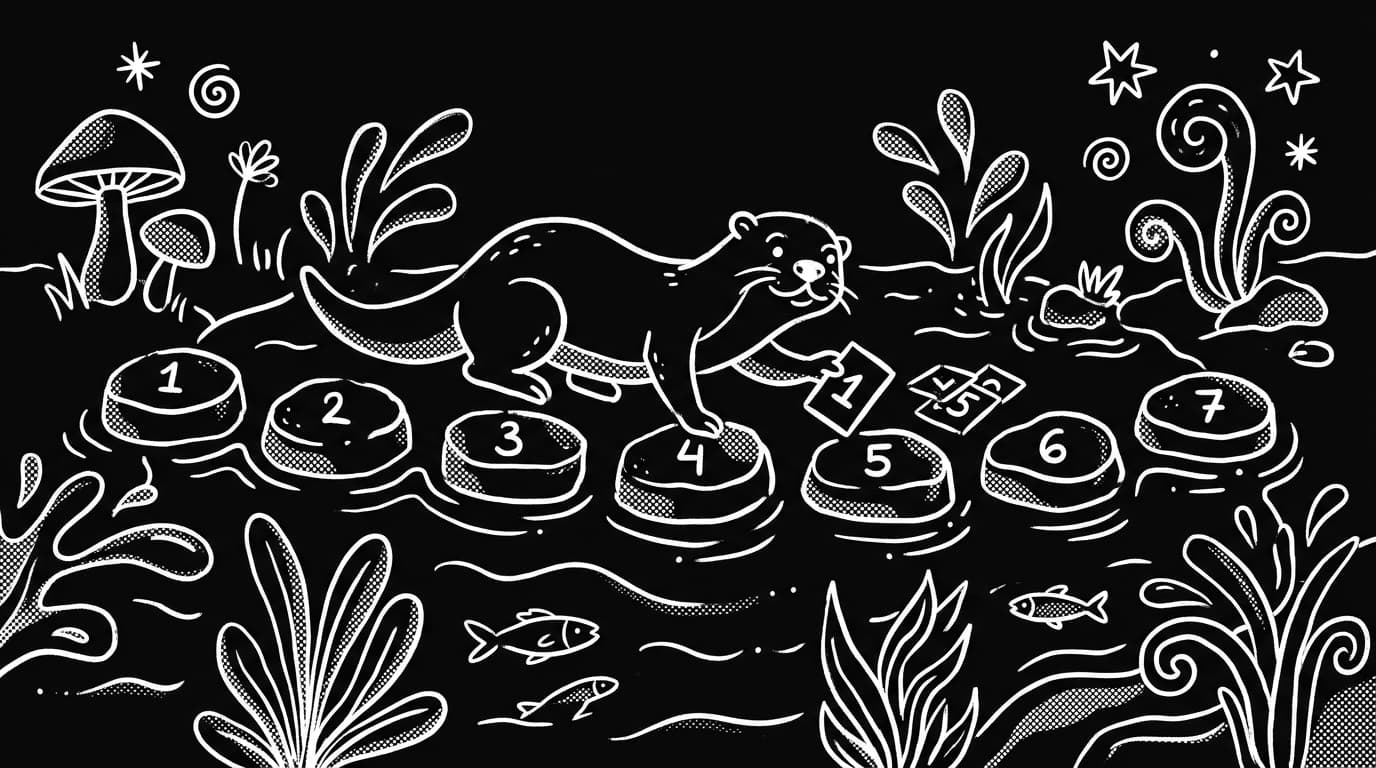
The Spacing Effect in Mental Math: Why Daily Beats Cramming
A century of memory research says spaced practice beats massed practice by two to one. What the spacing effect means for mental math and how to use it.
Read more →
Mental Math for Engineers: Back-of-the-Envelope Shortcuts
Powers of ten, five anchor constants, logs without tables, and linear expansions solve most back-of-envelope engineering math in under a minute. The kit and drill.
Read more →
How to Multiply Decimals in Your Head: Shift, Compute, Restore
Mental decimal multiplication reduces to one integer product plus a shift count. The three-step method, five common-shape reflexes, failure modes, and a ten-day drill.
Read more →
Mental Math for Darts: Checkouts, Finishes, and Score Tracking
Darts rewards fast subtraction and a memorized checkout table. The 170 ceiling, the seven bogey numbers, and the finish paths that end a leg in one visit.
Read more →
Mental Math for the GRE: Shortcuts That Save Real Time
The GRE Quant on-screen calculator costs eight seconds per use. Twelve mental shortcuts recover a full minute of thinking time across the section.
Read more →
How to Multiply Three-Digit Numbers Fast in Your Head
Three-digit multiplication without paper: split-and-combine, round-and-correct, and doubling chains land 217 × 384 in under ten seconds. Methods and drill.
Read more →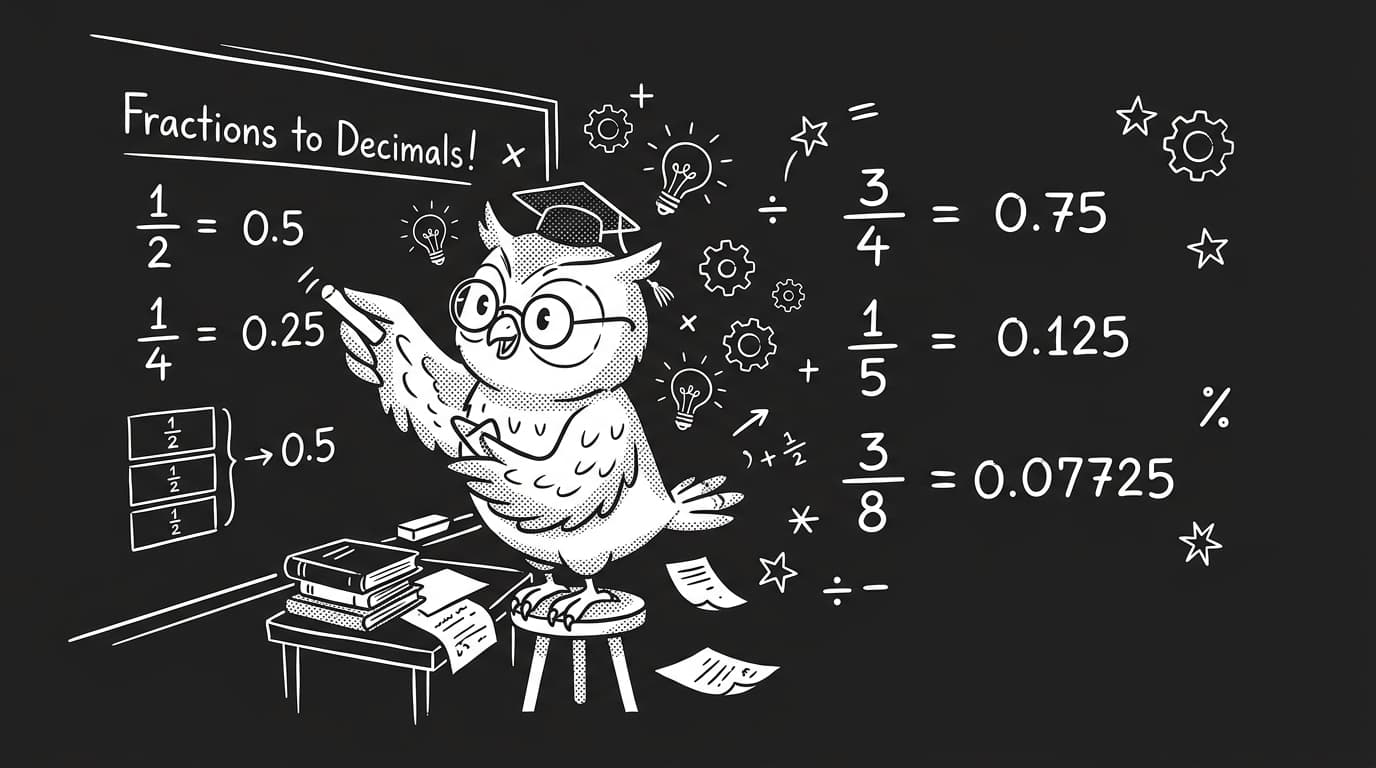
How to Convert Fractions to Decimals in Your Head
Twelve memorized anchors, one long-division routine, and three repeating families convert almost any fraction to a decimal in under three seconds. Method, drill, and precision limits.
Read more →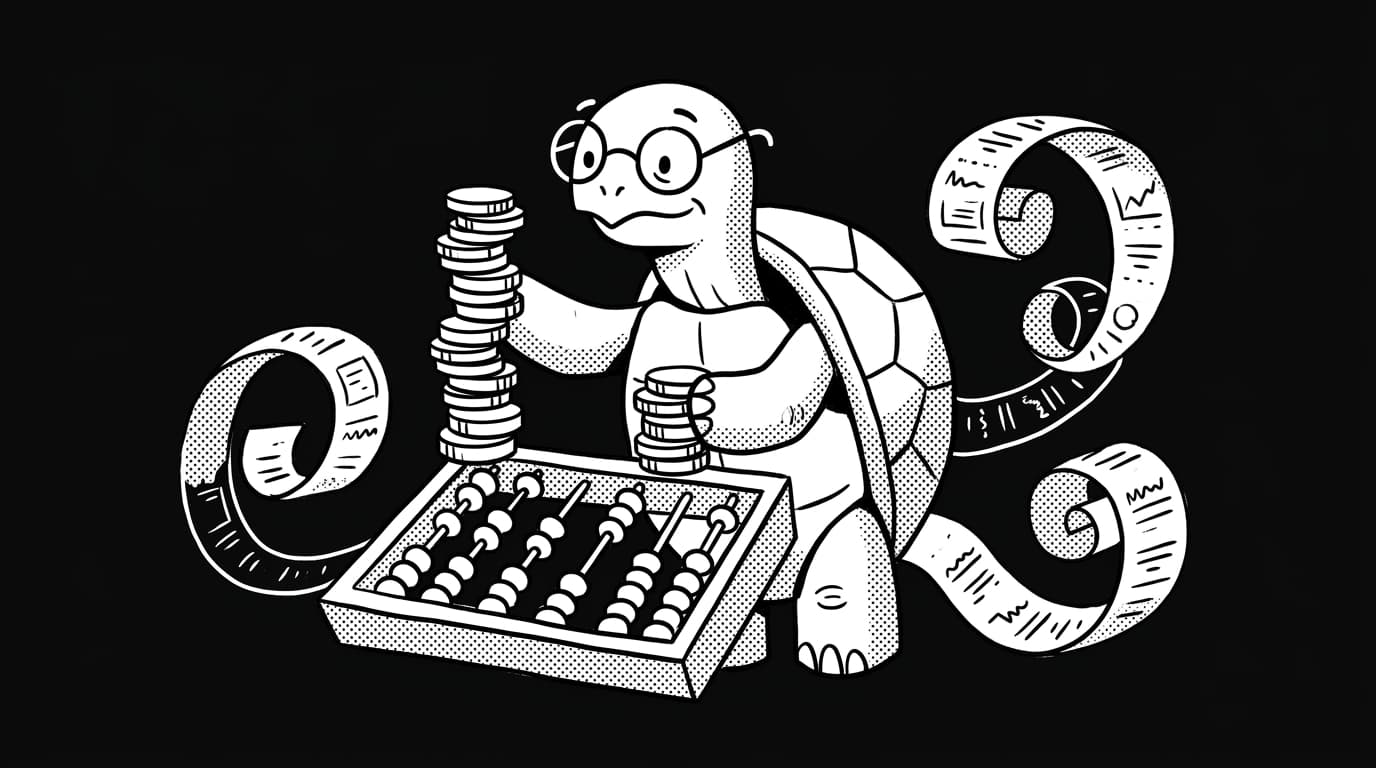
Mental Math for Investing: Compound Growth, P/E, and Yield in Seconds
Compound growth, P/E flips, dividend coverage, and position sizing all collapse to two-second mental identities. Seven shortcuts and six anchor tables.
Read more →
Fermi Estimation: How to Guess Any Number in Sixty Seconds
Fermi estimation lands most real-world quantities inside a factor of three in under a minute. The five-step chain, a worked piano-tuner example, and a ten-day drill.
Read more →
Mental Math for Shopping: Unit Prices, Bulk Deals, and Stacked Discounts
Unit pricing in one division, the bulk-vs-small ratio test, stacked discount math, and sales tax in one pass. Five aisle drills that move real money over a year.
Read more →
Mental Math for Poker: Pot Odds, Outs, and Equity in Two Seconds
Pot odds as one ratio, outs by the rule of four and two, and a compare-and-go call. Five anchors and one comparison cover every table decision.
Read more →
Mental Math for Running: Pace, Splits, and Race Predictions
Pace conversion, the Riegel race predictor, even splits, and heart-rate zones. Two identities and one exponent cover almost every race-day calculation.
Read more →
Sudoku vs Mathness: Which Number Puzzle Builds Math Skill
Sudoku is constraint tracking with no arithmetic. Mathness is timed target-number arithmetic. What each trains, and a weekly split that uses both.
Read more →
KenKen vs Mathness: Which Number Puzzle Trains Arithmetic Better
KenKen is a logic grid with arithmetic constraints. Mathness is a timed target-number game. The rules, the mental skills each trains, and how to pick.
Read more →
Mental Math for Fractions: Add, Compare, and Simplify Without Paper
Four fraction operations collapse to two-step mental routines: cross-multiply to add, cross-compare to rank, divisibility screens to simplify, and pre-cancel to multiply.
Read more →
Mental Math on the SAT: Twelve Shortcuts That Save Real Time
The digital SAT gives every student a Desmos calculator, but twelve mental math shortcuts still save real minutes across the Math section. The list and drill.
Read more →
Mental Math for Cooking: Scale Recipes and Convert Units in Your Head
Scale any recipe up or down, swap grams for cups, and convert oven temps in under three seconds. Three ratios, five anchors, and a ten-day kitchen drill.
Read more →
The Doomsday Algorithm: Calculate Any Weekday in Your Head
Conway's Doomsday algorithm returns the weekday for any Gregorian date in under ten seconds. Anchor days, the twelves method, and a ten-day drill.
Read more →
Math Anxiety: The Neuroscience and How to Break It
Math anxiety is a measurable stress response, not a skill gap. What fMRI, working-memory, and choking studies show, plus a two-week rebuild protocol.
Read more →
Mental Math for Currency Conversion: A Traveler's Guide
Convert any currency in your head in two seconds. The anchor method, two identities that cover 90 percent of world rates, and a ten-day drill.
Read more →
Fast Mental Subtraction: 3 and 4 Digit Numbers Without Borrowing
Three subtraction methods that skip borrowing entirely: complements, left to right, and same difference. Land 4-digit answers in under four seconds.
Read more →
Mathness Streaks: How the Daily Puzzle Rewards Consistency
The Mathness daily streak rewards showing up over showing off. How the counter works, the psychology of loss aversion, and when to let a streak die.
Read more →
The Rule of 72: Estimate Compound Interest in Your Head
The Rule of 72 turns any compound rate into a doubling time in one division. The math, when to swap to 69.3, and a sixty-second drill.
Read more →
Mental Math for Tips, Discounts, and Splitting the Bill
Restaurant and store math without a phone: the 10 percent anchor, the swap trick, seven percent-off shortcuts, and a clean split-the-bill routine.
Read more →
How to Estimate Cube Roots in Your Head
Cube roots without a calculator: the last-digit map nails perfect cubes to 1,000,000 in two seconds, and one Newton step brings any other value inside 0.01.
Read more →
How the Top 10 Mathness Players Warm Up Before a Ranked Session
The top of the Mathness leaderboard runs the same five-minute warmup pattern before ranked play. The blocks, the order, and what it fixes.
Read more →
How to Estimate Square Roots in Your Head
Four mental square-root techniques land within 0.05 of the true value in under three seconds. Bracket, divide-and-average, interpolate, and when to stop.
Read more →
The Mental Calculation World Cup: Records and How They Are Set
The Mental Calculation World Cup runs five arithmetic events on paper with no calculators. Format, champions, and how top times get set under strict accuracy rules.
Read more →
How Mathletes Train: Inside Elite Mental-Math Practice
Elite mental calculators train four specific subskills for years. What public interviews with Benjamin, Flansburg, Gamm, Coto and Bhanu reveal about the routine.
Read more →
Scott Flansburg and the Human Calculator Record
Scott Flansburg holds a Guinness record for mental addition and spent decades pushing zero-based counting. What his methods teach any speed-math player.
Read more →
Chisanbop: Counting on Your Fingers Up to 99
Chisanbop turns both hands into a decimal counter that reaches 99. How the Korean finger-counting method works, what it teaches, and where it stalls.
Read more →
The Brain of a Human Calculator: What fMRI Studies Show
fMRI scans of Rüdiger Gamm and other prodigies show extreme mental math shifts from working memory into long-term memory circuits. The evidence, twenty years on.
Read more →
Working Memory and Math Ability: Why Some Kids Struggle
Most math struggles look like knowledge gaps and are working-memory gaps. What the buffer holds, how load breaks it, and how chunking rebuilds capacity.
Read more →
Abacus Mental Math (Anzan): How Kids Multiply Three-Digit Numbers in Their Head
Anzan is soroban abacus practice pushed past the physical frame. How the mental bead layout works, the training curve, and what transfers.
Read more →
Number Sense: What It Is and Why It Beats Memorized Facts
Number sense is the flexible layer beneath every math fact. What it is, why it beats rote memorization, and the daily habits that build it.
Read more →
Does Mental Math Improve Cognition? The Research
Two decades of cognitive research on mental math training: what reliably improves, what does not transfer, and the honest verdict from replicated studies.
Read more →
The Trachtenberg System: A 2026 Reader's Guide
Trachtenberg's WWII-era mental math system still has three techniques worth learning in 2026 and several that lose to modern methods. Honest breakdown.
Read more →
Dyscalculia and Number Games: What Helps and What Frustrates
Dyscalculia changes what a number game needs to do. The formats that build fluency, and the design choices that trigger shutdown in dyscalculic learners.
Read more →
24 Game vs Countdown vs Mathness: Which Target-Number Puzzle Is Hardest
24 Game, Countdown, and Mathness look similar and play nothing alike. Rules, math depth, time pressure, and the honest difficulty verdict on all three.
Read more →
Best Free Number Games Online in 2026
The number-games category consolidated around four mechanics in 2026. Here are the free titles worth your time, split by subskill, with the ones to skip.
Read more →
Vedic Math Sutras: Which of the Sixteen Save Real Time
The sixteen Vedic math sutras are sold as ancient shortcuts. Only five save time on modern arithmetic. Here is the honest breakdown.
Read more →
Math Games for Kids With ADHD: What Actually Holds Attention
ADHD brains need short rounds, fast feedback, and a visible climb. Here is what makes a math game hold attention past round three, and what kills it.
Read more →
Nerdle vs Mathness: Which Number Puzzle Trains Faster Math
Nerdle trains equation recognition through six daily guesses. Mathness trains reactive arithmetic through timed rounds. Which one builds faster mental math.
Read more →
The 24 Game: Every Solution to the Hardest Hands
The four canonical hardest 24 Game hands (1-3-4-6, 3-3-8-8, 1-5-5-5, 3-3-7-7) each collapse to one fraction trick. Every valid path shown.
Read more →
How to Add Long Columns of Numbers in Your Head
Left-to-right addition, ten-chunking, and compensation turn a nine-number column into a five-second mental calculation. Methods, examples, drill.
Read more →
Mental Math Tricks They Do Not Teach in School
Ten mental math tricks schools skip: left-to-right adds, complement subtraction, percentage swaps, near-base squares, and one-second divisibility screens.
Read more →
Fastest Way to Do Long Division in Your Head
Mental long division without paper: chunking, partial-quotient, and six divisibility shortcuts that keep the answer in one register.
Read more →
Teaching the Multiplication Table Without Rote: The Pattern Approach
Skip rote memorization. Doubling chains, distributive splits, and pattern spotting cover the entire 12x12 grid in six teaching blocks that stick.
Read more →
Countdown Numbers Round: The Full Solving Strategy
The Countdown Numbers Round solved in 30 seconds: tile-choice rule, anchor-residual loop, four attack patterns, and the salvage move for impossible targets.
Read more →
How to Calculate Percentages in Your Head in Under Three Seconds
One anchor and one identity solve almost every percentage problem in under three seconds. The 10 percent shift, the a% of b swap, tips, discounts, VAT, and a two-week drill.
Read more →
Mental Math Games for Kids: A Grade-by-Grade Guide
The right mental math game depends on the grade. Age-band picks from grade 2 through 8, with the skill each stage builds and the formats to skip.
Read more →
How to Multiply Two-Digit Numbers Fast in Your Head
Three mental methods, cross-multiplication, round-and-correct, and doubling chains, cover almost every two-digit pair. Method, decision rule, two-week drill.
Read more →
Mental Math for Adults: A Six-Week Rebuild Plan
Rebuild adult mental-math fluency in six weeks of ten-minute daily sessions. Fatigue curve, week-by-week drills, and a measurable finish line.
Read more →
Multiplying by 20 in Mathness: The Double-and-Shift Reflex
The 20n = 2n × 10 identity turns every times-twenty move in Mathness into one doubling and one shift. Method, reflex table, failure modes, and drill.
Read more →
Multiplying by 25 in Mathness: The Divide-by-Four Shift Reflex
The 25n = 100n/4 identity turns every times-twenty-five move in Mathness into two halvings and a shift. Method, reflex table, failure modes, and drill.
Read more →
Multiplying by 11 in Mathness: The Split-and-Add Reflex
The a | a+b | b identity turns every times-eleven move in Mathness into a split, an add, and a placement. Method, reflex table, failure modes, and seven-day drill.
Read more →
Near-Fifty Multiplication in Mathness: The Fifty-Base Method for 41 to 59
For factor pairs within nine of 50, the fifty-base method returns the answer in two seconds. The formula, the twelve pairs it wins on, and the drill.
Read more →
Multiplying by 3 in Mathness: The Double-and-Add Reflex
Double the other factor and add it once to hit every times-three move in Mathness in two seconds. Method, reflex table, failure modes, and drill.
Read more →
Multiplying by 6 in Mathness: The Triple-Then-Double Reflex
Tripling the other factor and doubling the result turns every times-six move in Mathness into a two-beat reflex. Method, reflex table, failure modes above 150, and drill.
Read more →
Multiplying by 7 in Mathness: The Five-Plus-Two Reflex
The n×5 plus n×2 split turns every times-seven move in Mathness into a halve, a double, and one add. Method, reflex table, boards, and drill.
Read more →
Multiplying by 8 in Mathness: The Triple-Double Reflex
Three consecutive doublings turn every times-eight move in Mathness into a one-beat reflex. The method, reflex table, failure modes above 125, and seven-day drill.
Read more →
Multiplying by 4 in Mathness: The Double-Double Reflex
Two doublings turn every times-four move in Mathness into a one-second reflex. The method, the reflex table, failure modes above 250, and a seven-day drill.
Read more →
Multiplying by 12 in Mathness: The Ten-Plus-Two Reflex
The 10n + 2n split turns every times-twelve move in Mathness into a shift and a double. The method, the reflex table, the boards it wins, and the drill.
Read more →
Multiplying by 15 in Mathness: The Ten-Plus-Five Reflex
The n×10 + n×5 split turns any times-fifteen move in Mathness into a shift and a halve. The method, boards it wins, failure modes, and seven-day drill.
Read more →
Near-Decade Squares in Mathness: 29², 41², and 79² in Two Seconds
The (a±b)² identity turns every near-decade square from 22² to 98² into one product plus one addition. The nine squares, board fits, and drill.
Read more →
Same-Tens Multiplication in Mathness: The a(a+1)|bc Trick
The (10a+b)(10a+c) identity with b+c=10 turns 43 by 47 into a two-second reflex. Forty pairs, five tails, the drill and failure modes.
Read more →
Squaring Numbers Ending in 5 in Mathness: The n×(n+1) Shortcut
The (10n+5)² = n(n+1)|25 identity squares any 5-tail number in one second. The nine squares from 15² to 95², the boards it wins, and the drill.
Read more →
Near-Hundred Multiplication in Mathness: The Base Method for 91 to 109
For factor pairs within ten of 100, the base method returns the answer in two seconds. The formula, the boards it wins, and the drill.
Read more →
Multiplying by 9 in Mathness: The Ten-Minus-One Reflex
The (x times 10) minus x identity turns any Mathness times-nine move into a shift and a subtraction. The method, boards it wins, failure modes, and seven-day drill.
Read more →
Multiplying by 5, 50, and 500 in Mathness: The Halve-and-Shift Trick
Halve the other factor and append a zero to multiply by 5 in under a second. The reflex, the scale to 50 and 500, the boards it wins, and the seven-day drill.
Read more →
Perfect Squares to Memorize for Mathness: 11² Through 30²
Twenty perfect squares from 121 to 900 unlock instant target recognition and difference-of-squares plays in Mathness. The table, the patterns, the seven-day drill.
Read more →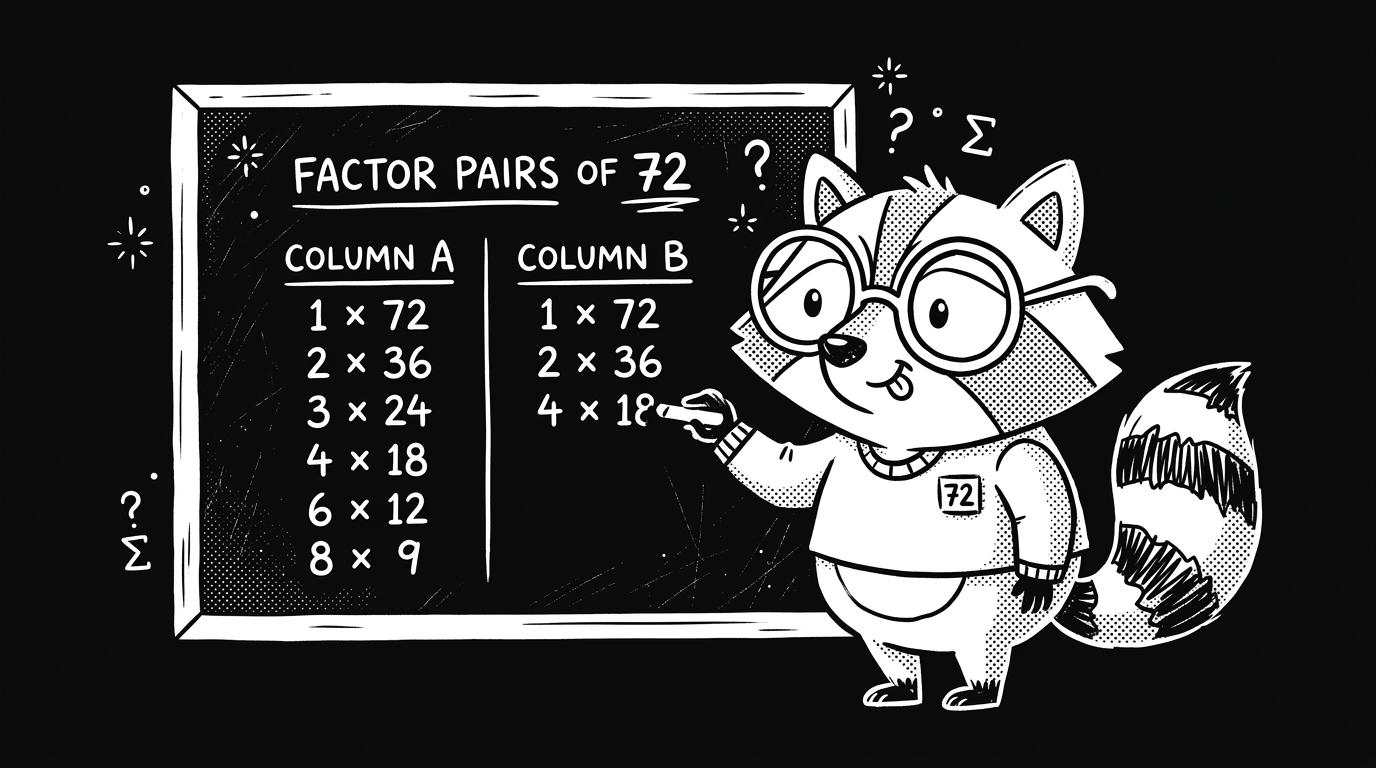
Factor Pairs to Memorize for Mathness: Targets 24 to 144
Twenty-two Mathness targets from 24 to 144 crack open in one second once their factor pairs are memorized. The list, the patterns, and the seven-day drill.
Read more →
Modular Screens in Mathness: Reject Dead-End Paths With Remainders
Parity is mod 2 and casting out nines is mod 9. Add mod 3, mod 5, and mod 11 to reject Mathness paths in one second before you compute.
Read more →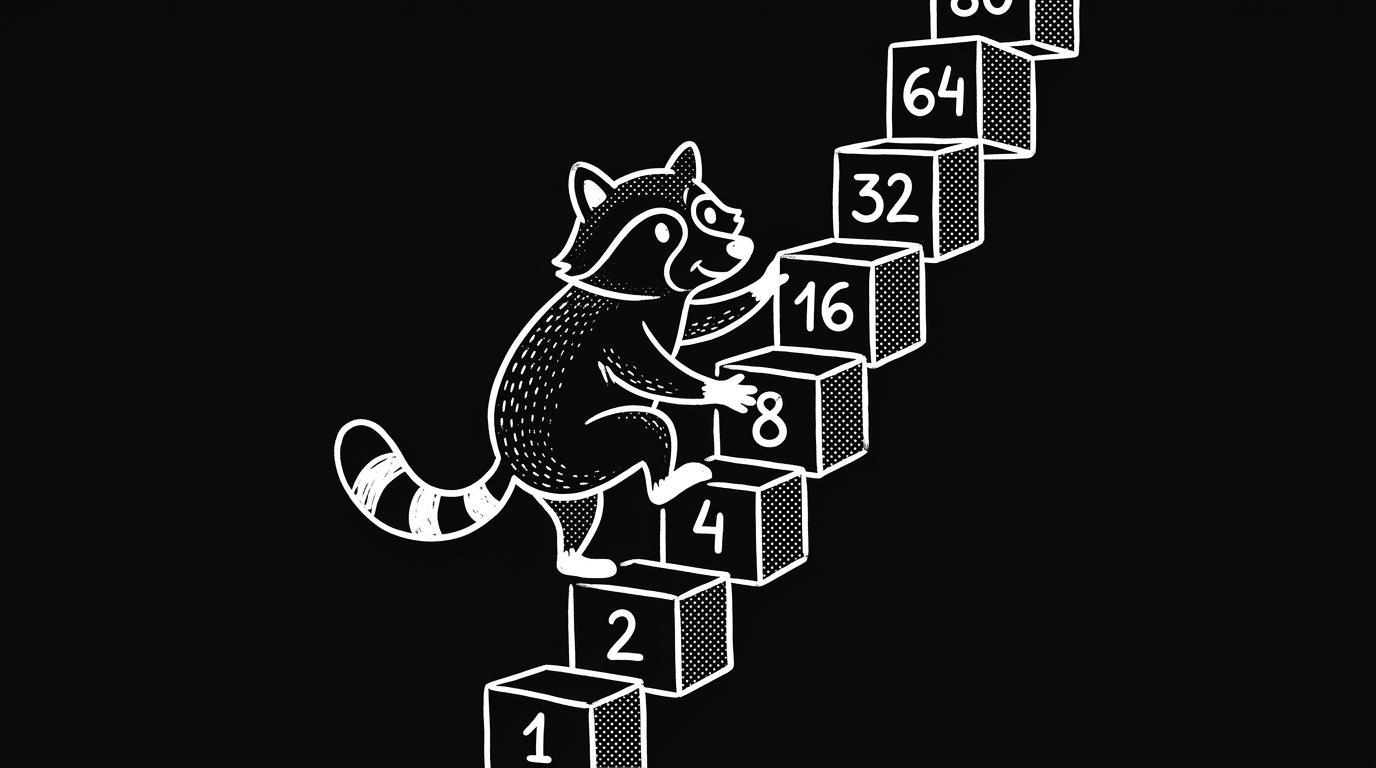
Powers of Two in Mathness: The Ladder From 2 to 2048
The eleven powers of two are the second reflex table every Mathness player needs. The ladder, where it wins on the board, and the seven-day drill.
Read more →
Left-to-Right Arithmetic in Mathness: The Direction That Saves Seconds
Left-to-right addition, subtraction, and multiplication cut Mathness round times by delivering the leading digits first. The method, the drill, and where it fails.
Read more →
Distractor Tiles in Mathness: Spotting Numbers You Won't Need
Most Mathness boards include one or two tiles you should never touch. The four distractor patterns, a six-second filter, and the drill that locks the habit.
Read more →
Difference of Squares in Mathness: Multiply Near-Pairs in Two Seconds
The (a-b)(a+b) identity turns Mathness pairs like 19x21 or 47x53 into one squaring and one subtraction. The formula, the squares to memorize, and the drill.
Read more →
Look-Ahead in Mathness: Plan the Next Move While You Compute
Strong Mathness players queue the next operation while the current one finishes. The two-slot pipeline, the seven-day drill, and when to serialize instead.
Read more →
Bidirectional Search in Mathness: Work From Tiles and Target Together
Bidirectional search runs forward from tiles and backward from the target at the same time. The setup, the bridge, the boards it wins on, and the seven-day drill.
Read more →
Estimation in Mathness: Bracket the Target Before You Compute
A two-second bracket on the target tells you which Mathness paths can land and which cannot. The two-bracket method, five tools, and seven-day drill.
Read more →
Last-Digit Checks in Mathness: Verify Your Answer in One Second
A one-second last-digit check and casting out nines catch 99 of 100 arithmetic slips in Mathness. The rules, the failure modes, and the seven-day drill.
Read more →
Extended Times Tables for Mathness: Memorize 13 to 19
Twenty eight products from 13×13 to 19×19 close the gap left by the 12×12 ceiling. The list, the 21 day drill, and the six confusion pairs to flag.
Read more →
Tilt Recovery in Mathness: Reset After a Blown Round
One blown Mathness round often triggers three more. The four-second reset protocol, the breath cue, and the drill that installs it.
Read more →
Cooldown and Review After a Mathness Session
Five minutes of cooldown and a three-row review sheet turn yesterday's Mathness misses into tomorrow's reflexes. The routine, the sheet, the drills.
Read more →
Reachability in Mathness: Check Before You Compute
A four-second reachability check tells you if a Mathness target is hittable before you compute. Upper-bound, parity, and the seven-day drill that locks the habit.
Read more →
Working Memory in Mathness: Hold Three Numbers Without Losing the Target
Mathness rounds collapse when partial results push the target out of mind. The three-slot scratchpad, chunking tricks, and the drill that locks the habit.
Read more →
Three-Digit Targets in Mathness: Strategy for Numbers Above 100
Targets above 100 change the math in Mathness. The anchor-and-adjust method, factor trees, prime handling, and the drill that locks the habit.
Read more →
Sustaining Focus in Mathness: Stop Errors After Round Twenty
Late-session mistakes wreck Mathness ranks. The fatigue curve, the round budget, the mid-session resets, and the four-week endurance plan.
Read more →
Endgame Mathness: Closing the Target With Two Tiles Left
The final two tiles decide most Mathness rounds. The four endgame shapes, the operator-first decision rule, and the seven-day drill that locks it.
Read more →
Two-Digit Multiplication in Mathness: 23 × 47 Under Three Seconds
Three methods cover almost every two-digit pair in Mathness: cross multiplication, round-and-correct, and doubling chains. The decision rule and the seven-day drill.
Read more →
Clock Management in Mathness: Budgeting Seconds Per Round
Most Mathness rounds get lost in the middle. The four-window round budget, where each block of seconds gets one job, and the drills that lock the cadence.
Read more →
Handling Primes in Mathness: When a Tile Won't Factor
Prime tiles freeze most Mathness players. The small prime list, the additive workarounds, and the drill that turns sticky primes into one-move plays.
Read more →
Number Bonds in Mathness: Pairs to 10, 100, and 1,000
Number bonds are the addition reflex that finishes Mathness rounds early. The four pair families, the two-week drill, and the mistakes that slow them.
Read more →
Multiplication Shortcuts for 11, 25, and 99 in Mathness
Three multiplier families that show up constantly in Mathness, the one-second shortcut for each, and the drill that locks the reflex in seven days.
Read more →
Warm-Up Routine for Ranked Mathness: Five Minutes Before You Climb
Five minutes of targeted drills before a ranked Mathness session lifts accuracy in the first ten rounds. The blocks, the order, and the numbers to drill.
Read more →
Squaring Numbers in Mathness: Fast Squares from 11 to 99
Fast squaring techniques cut seconds off Mathness rounds. The four methods, the numbers that matter, and the drill that locks each one.
Read more →
Parity in Mathness: Use Odd-Even Logic to Cut Dead Ends
Parity tells you which Mathness paths cannot reach the target. The four rules, the boards where it matters most, and the five-day drill that locks the check.
Read more →
Doubling and Halving in Mathness: Replace Hard Multiplication
Doubling one factor and halving the other turns ugly Mathness multiplications into one-second moves. The pairs that work, the limits, and the drill.
Read more →
Subtraction in Mathness: When Minus Beats Every Other Move
Subtraction openers crack Mathness rounds that look unsolvable. The five board shapes where minus wins, and the drill that locks the reflex.
Read more →
Division in Mathness: When to Divide First and the Shortcuts
When a division opener beats every other first move in Mathness, plus the six divisibility tests and the seven-day drill that locks the reflex.
Read more →
Decomposing the Target in Mathness: Factor First, Compute Last
Working backward from the target cuts Mathness rounds in half. The factor trees, additive splits, and the three-round drill that locks the habit.
Read more →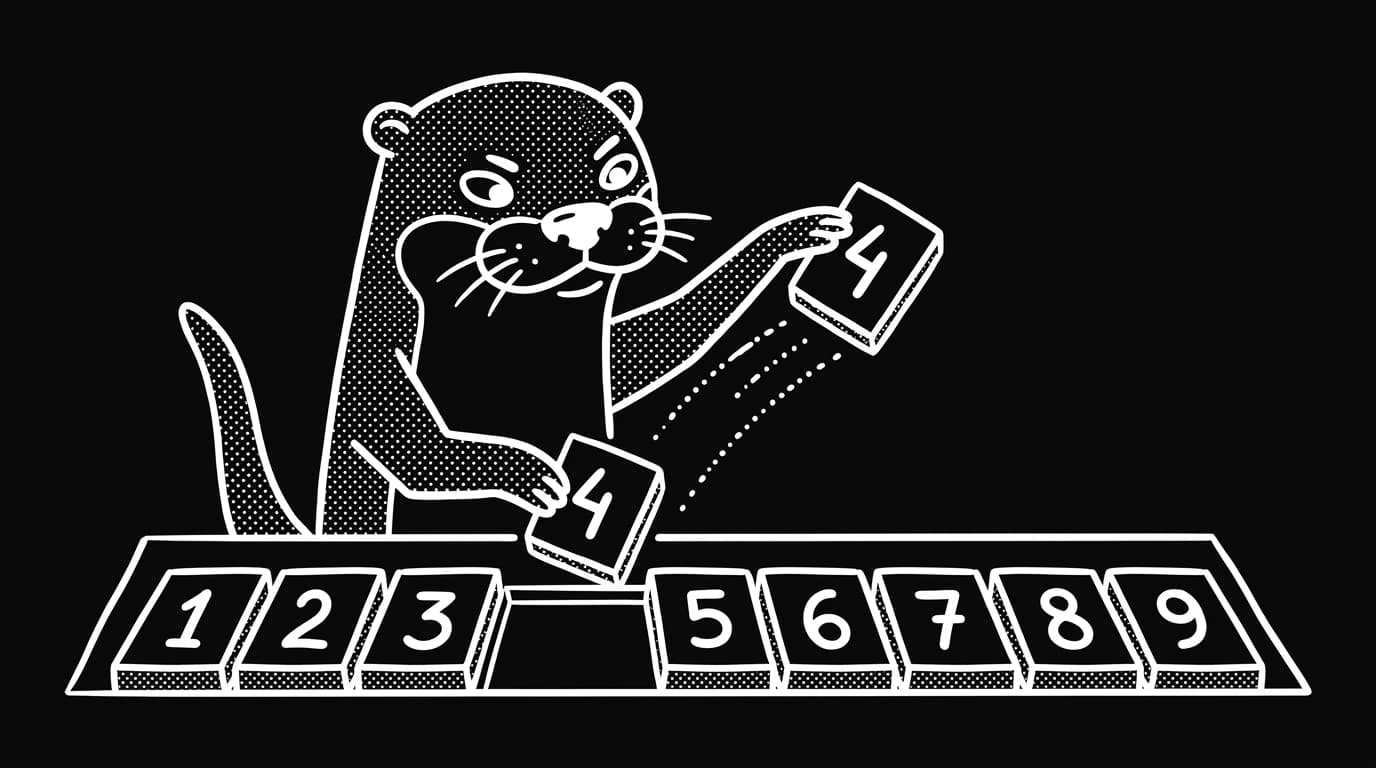
Operation Order in Mathness: When to Multiply First, Add Last
Why multiplication-first beats addition-first on most Mathness rounds, the three boards where the rule flips, and the drill that locks the habit.
Read more →
Daily vs Ranked Mathness: Which Mode Builds Skill Faster
Daily Mathness builds depth, ranked builds speed. The weekly split, the skill curves, and the mistakes that stall a leaderboard climb.
Read more →
Anchor Numbers in Mathness: The Round Multiples That Cut Round Times
Anchor numbers cut three to five seconds off most Mathness rounds. Here are the multiples that work, the drill that locks the habit, and the common mistakes.
Read more →
Mental Math Drills That Move Your Mathness Leaderboard Rank
Five drills that move your Mathness leaderboard rank in 21 days, with the daily time budget and weekly refresh schedule.
Read more →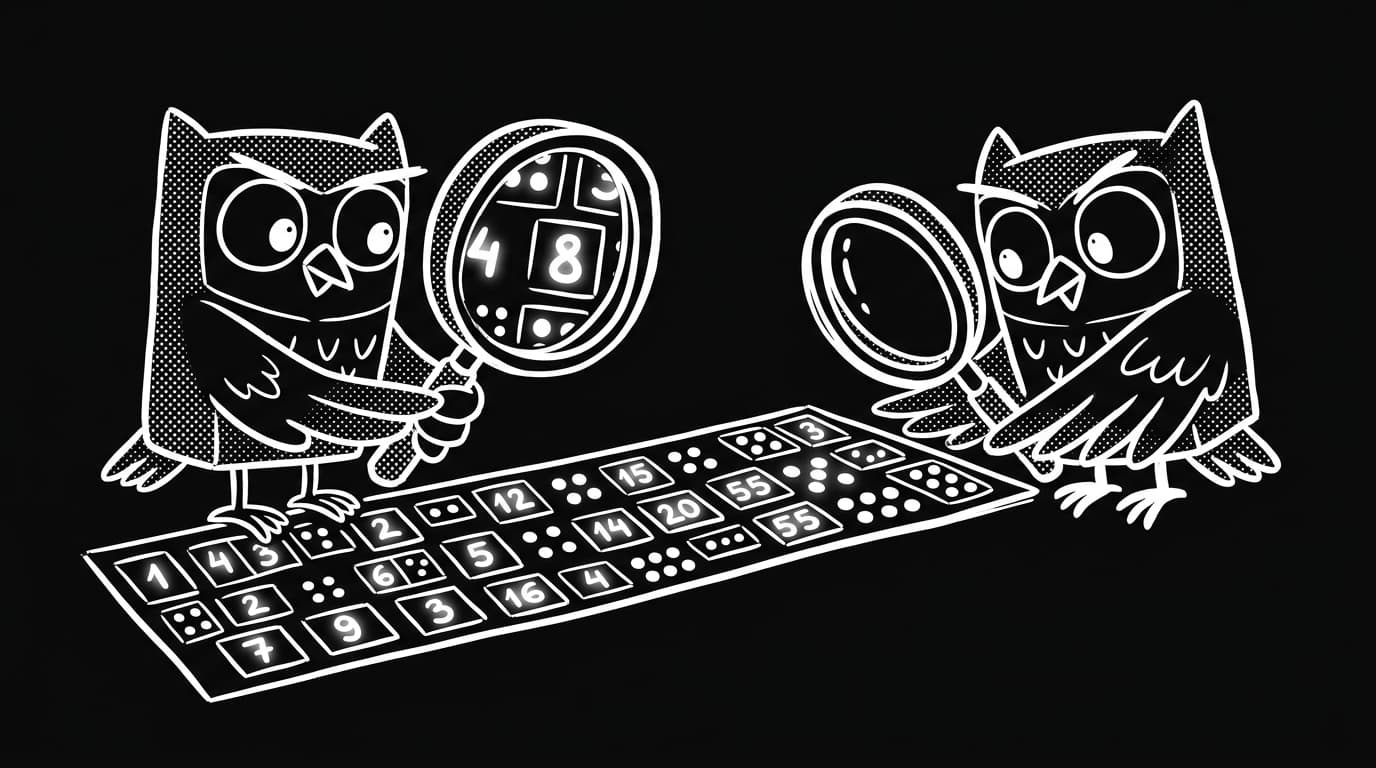
Test Publish: The Two-Pass Method for Mathness Rounds
A throwaway test of the two-pass method for Mathness rounds: scan once for easy wins, then once for the target line.
Read more →
When to Skip a Mathness Round: Salvage Plays vs Sunk Cost
When skipping a Mathness round beats pushing through. Three signals, the six-second decision window, and the salvage plays that finish in two operations.
Read more →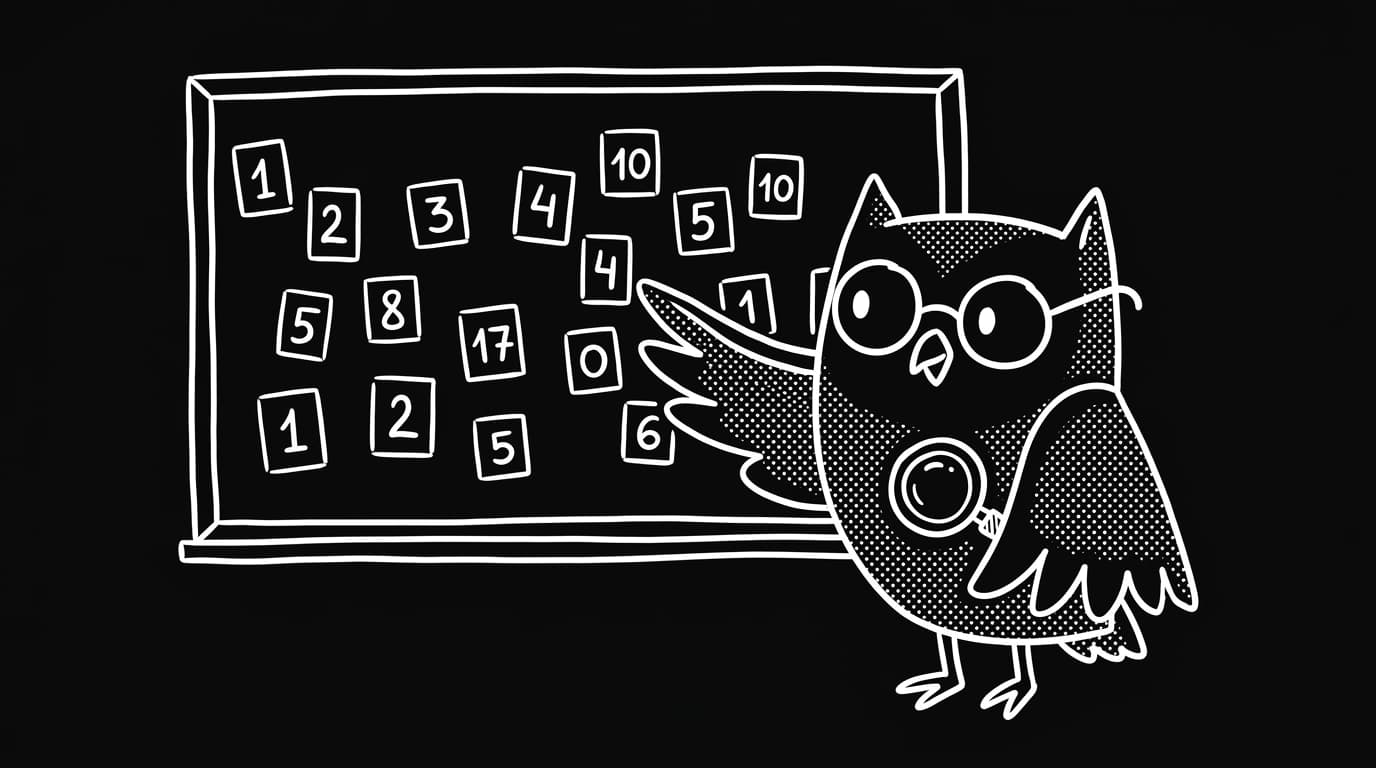
Pattern Recognition in Mathness: Read the Board Before You Compute
Five board-reading patterns that turn twelve-second Mathness rounds into four-second ones, with the drill that locks each one in.
Read more →
Why You Miss the Target on Mathness (and How to Stop)
Six fixable reasons your Mathness rounds drift off the target, with the arithmetic move that corrects each one.
Read more →
How to Play Mathness: Rules, Scoring & Strategy
New to Mathness? Learn the rules, how the four-front scoring works, and simple strategies to land on the target and climb the leaderboard.
Read more →
7 Mental Math Tricks to Solve Number Puzzles Faster
Seven practical mental math tricks — friendly numbers, working backward from the target, and more — to solve number puzzles faster. Practice them free.
Read more →
The 24 Game, Reinvented: Why Number Puzzles Are the Best Brain Snack
Loved the 24 Game or Countdown's numbers round? Here's why target-number puzzles are the perfect quick brain workout — and how Mathness updates the classic.
Read more →