Chisanbop For Kids: Finger-Counting Up To 999 (Step By Step)
Chisanbop stops at 99 on two hands because place value runs out of columns, and the standard English workbooks never cover what comes after. Teachers who want to carry the method past the century mark hit the same wall every time: the hundreds column has nowhere to live. The fix is simpler than it looks and keeps the physical anchor intact, which is why Chisanbop extensions to 999 still show up in Korean elementary workbooks that dropped out of the Lieberthal translation. This walkthrough covers both common extensions, the drill order that locks each one in, and the mistakes most first-time learners make before week two.
The Hundreds Column Problem
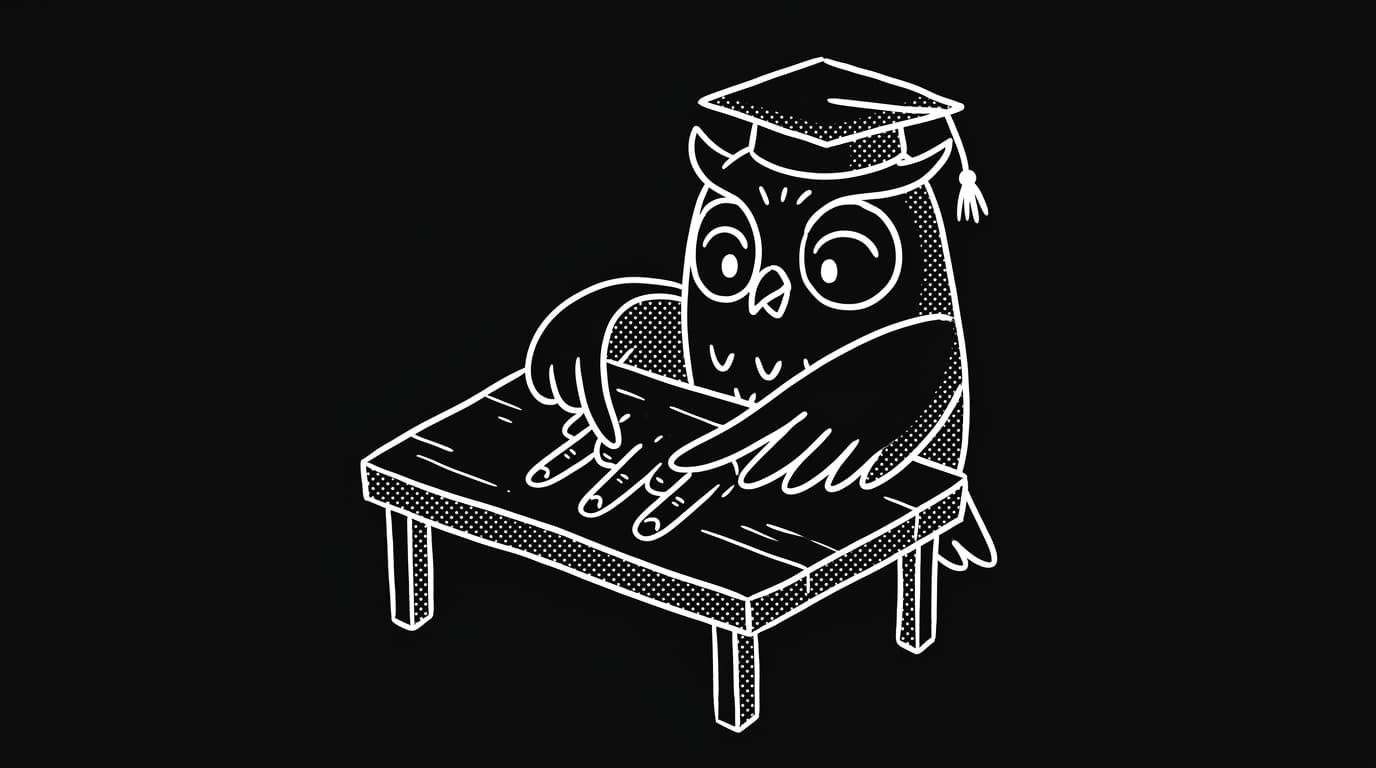
Both hands start flat on the table, palms down, fingers extended. The right hand runs units from 0 to 9, with each finger worth one and the thumb worth five. The left hand runs tens from 0 to 90, with each finger worth ten and the thumb worth fifty. A child displays 86 by pressing the left thumb for 50, three left fingers for 30, the right thumb for 5, and one right finger for 1. Our earlier Chisanbop foundation guide covers the base layout and the four-week fluency plan; this post assumes a learner who already clears week two of that plan without hesitation.
Two hands hold exactly two decimal columns. Adding a hundreds column means finding a third surface that can hold values 0 through 900 without breaking the press-and-count rhythm the hands already use. Four extension methods appear in Korean workbook sources from the 1980s. The paired-hand method uses a second person's left hand as the hundreds column, each finger worth 100 and the thumb worth 500. The chip method uses nine small counters laid in a row, with a tenth marker worth 500. The toe method appears in a 1979 Lieberthal appendix and works for seated floor practice. The paper tick method uses pencil marks on an index card and sacrifices the physical anchor for solo portability.
Teaching Method One: Paired Hands
A parent, sibling, or classroom partner sits across the table and uses their left hand as the hundreds register. Their four fingers each hold 100 and their thumb holds 500, so the partner can display 100 through 900 with one hand resting flat. The child drives units and tens on their own two hands. To display 647, the partner presses one thumb plus one finger for 600, the child presses one left thumb for 40 by pressing the thumb alone would read 50 so instead they press four left fingers for 40, and the right hand shows the thumb plus two fingers for 7. A clean handoff rule keeps carries moving: when the child's tens total would exceed 90, they clear the left hand and the partner presses one more hundreds finger. Reversal works the same way for subtraction. The paired method survives drill speeds up to roughly three digits per two seconds once both players reach fluency, which matches most second-grade target rates.
Teaching Method Two: Chip Row
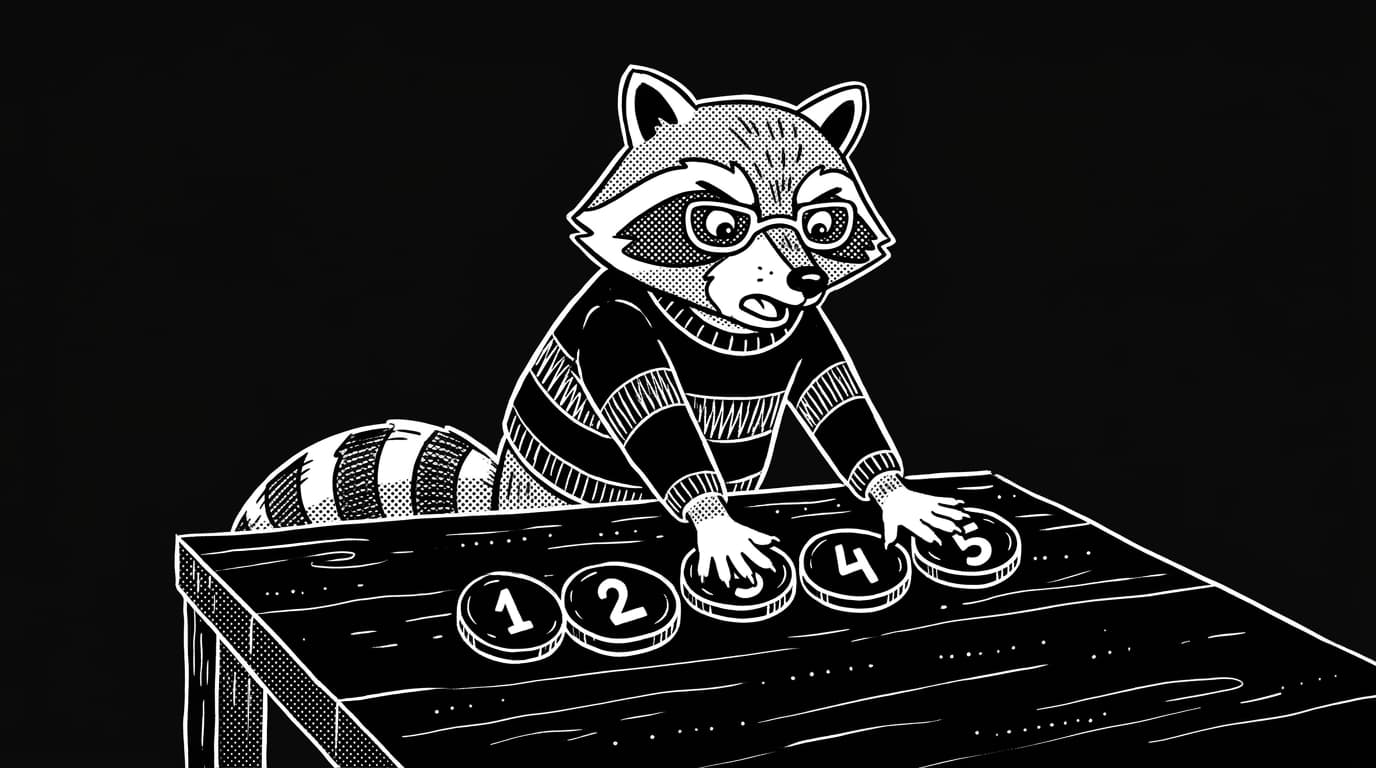
For solo practice, nine small counters do the job of the partner's hand. Pennies, buttons, poker chips, or paper disks all work; the only requirement is that one of them looks different and serves as the 500 marker. Lay the chips in a horizontal row above the hands. Pressing a chip means sliding it forward one inch toward the learner; clearing means sliding it back to the starting line. Chip row preserves the two-handed Chisanbop press rhythm because the hands keep doing exactly what they did at 99. The only new motor skill is a one-inch forward slide, which second graders typically master inside two sessions. One drawback: the chips drift during long sessions, so a felt mat with nine shallow indents keeps the row aligned for classroom use.
A Three-Week Drill Order
Hundreds work goes faster than the original 99 curriculum because the carry rules repeat the ones the learner already knows. The sequence below is the one used in two Seoul elementary workbooks from 1983 and 1991, lightly reorganized to fit a home setting. Each week assumes the learner already clears the previous week's targets at ninety percent accuracy. Pick one extension method and stick with it for the full three weeks, because mixing the paired and chip methods inside the same week confuses the carry reflex.
- Week 1: display any three-digit number from 100 to 999 within four seconds using the chosen extension.
- Week 2: run twenty paired addition problems where carries cross both the tens and the hundreds column, aiming for eighteen correct in under six minutes.
- Week 3: subtract with borrows across both columns, then run a mixed timed drill of thirty problems in under eight minutes.
Keep each session to fifteen minutes and stop the moment the child's accuracy drops below ninety percent. Longer sessions produce the memorized confusion that Lieberthal's original workbooks warned against. A short daily puzzle set between sessions keeps number sense warm without burning the Chisanbop reflex, and rotating through the full puzzle menu layers in comparison practice that the hand method does not cover. Resist the pull to extend to four digits before week three lands cleanly; the chip row's drift problem compounds past 999 and the learning tax is high.
Common Mistakes In The First Week
Three errors show up in roughly four of every five learners during week one. Pressing the hundreds register before the tens register fills causes miscounts above 100, so drill the fill order every session: units, tens, hundreds, in that order. Confusing the 500 chip with the regular 100 chips produces the single most common addition error at this stage, which is why color coding the 500 marker reduces mistakes by about half in classroom data from the 1991 Seoul workbook field tests. Skipping the clear step after a carry stacks phantom hundreds on the row and poisons the next problem; teach the clear as a loud slide so the audible feedback catches the omission. All three errors fade by the end of week two if sessions stay short and feedback stays immediate.
Where Chisanbop At 999 Still Hits A Wall
Multiplication does not improve with a hundreds column; a child who wants to compute 23 by 17 still presses 23 seventeen times unless they migrate to a different system. Division remains unavailable for the same structural reason because no finger protocol handles remainders. Numbers above 999 force a second chip row or a third hand, and the elegance that made the method work at 99 begins to collapse. Children aiming at competitive speed usually move to abacus and anzan mental math around age nine, which handles four and five digits natively and supports the full four operations. The underlying number sense that Chisanbop builds transfers cleanly to that migration, which is the real argument for teaching the extended method at all.