Chisanbop: Counting on Your Fingers Up to 99
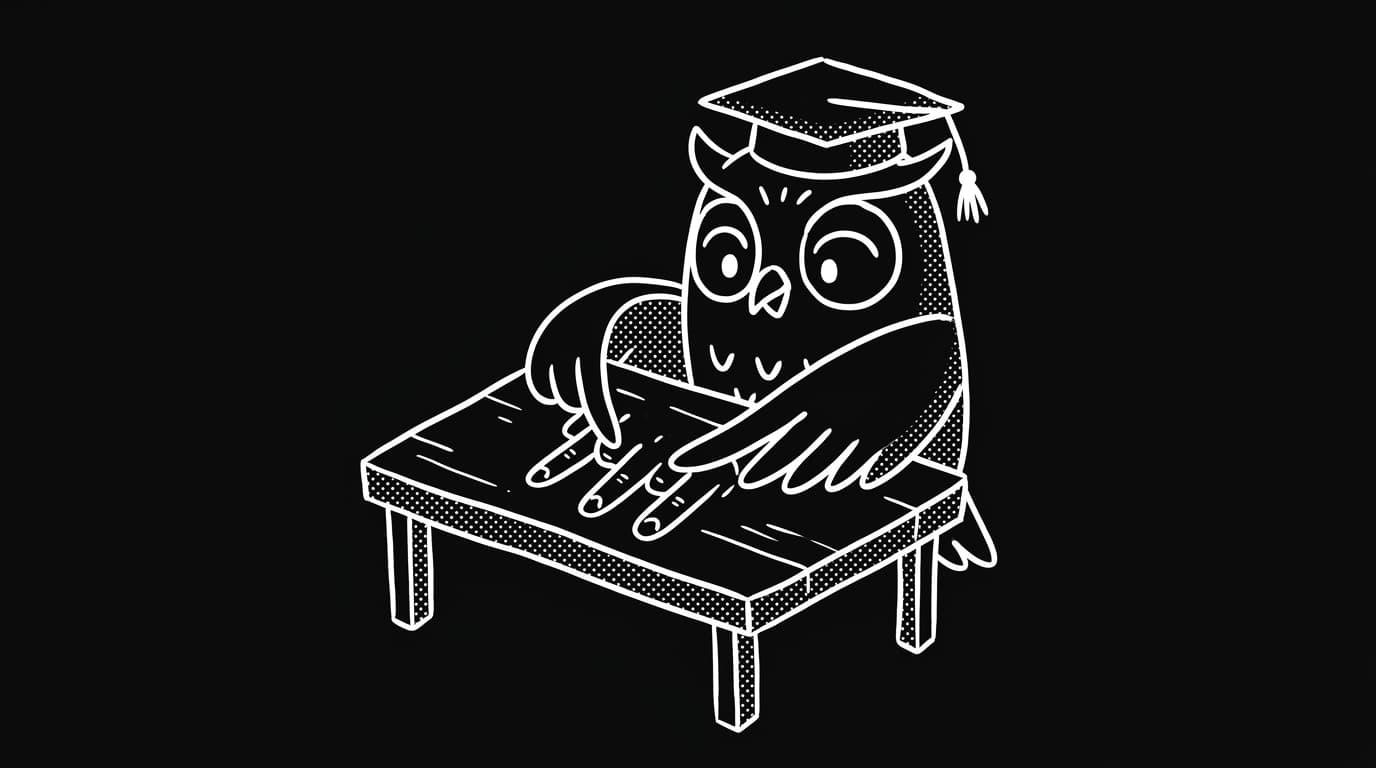
Chisanbop turns both hands into a two-digit counter that reaches 99, with the right hand holding units and the left holding tens. A Korean elementary school teacher named Sung Jin Pai formalized the system in the late 1940s, and Edwin Lieberthal packaged it for American classrooms in 1977. The method still runs in a handful of schools because it gives young learners a physical anchor for place value that pencil work rarely provides.
How the Chisanbop Hand Position Works
Both hands start flat on the table, palms down, fingers extended. On the right hand, each of the four fingers represents one unit and the thumb represents five units, giving that hand a range from 0 to 9. On the left hand, each of the four fingers represents ten units and the thumb represents fifty units, giving that hand a range from 0 to 90. A number is displayed by pressing the corresponding fingers down onto the table. To show 37, the left index and middle fingers press for 20, and the right thumb plus two fingers press for 17. The whole layout mirrors a decimal soroban stripped of beads and frame, using the hands themselves as the columns.
Why the System Reaches 99 and Not Only 10
Standard finger counting caps at 10 because each finger equals one unit. Chisanbop breaks the ceiling by assigning place value: the two hands become two decimal columns, and the thumbs become five-value beads inside each column. That structure matches how the Japanese soroban organizes its beads, one five-bead above the bar and four one-beads below. A learner at fluency can display any integer from 0 to 99 in under two seconds. Addition works by pressing extra fingers down until a five or a ten completes, then substituting a thumb or a left-hand finger for the group. Subtraction reverses the same rule. The running total stays visible on the table, which is why the technique transfers well to children who lose intermediate results in their head.
What Chisanbop Teaches That Rote Does Not
The physical layout locks place value into a motor pattern before the child has to read positional notation on paper. A Purdue evaluation from 1980 tracked Chisanbop students in grades 1 through 3 for eight weeks and reported roughly 20 percent higher accuracy on two-digit addition than control classrooms, though the gap closed by grade 5. The method also removes the ambiguity between tally counting and place counting that trips many first graders. A child who has held 43 on their hands understands that the 4 lives in a different column from the 3, and the intuition survives when the hands come off the table. That is the same underlying skill every grade-band mental math game for kids tries to build.
Where the Method Breaks Down
Chisanbop wins at addition and subtraction of numbers up to 99, and it stalls almost everywhere else. Multiplication has no native pattern beyond repeated addition, so 7 times 8 forces seven pressings of 8 across the fingers. Division defaults to guess and check because no protocol handles remainders on the hand. Numbers above 99 need a second learner acting as a hundreds column, which kills the elegance. Speed also caps below a soroban user's ceiling since thumbs and fingers move slower than beads slide on a rod. A child aiming at competitive mental arithmetic hits that wall inside two years and needs to migrate to abacus mental math and anzan or another positional system.
A Four-Week Home Plan
The full method needs no equipment and roughly fifteen minutes a day for four weeks to reach classroom fluency. The sequence below reflects the order used in the 1977 Lieberthal workbooks and reproduced in most classroom curricula since.
- Week 1: display any single digit from 0 to 9 on the right hand within two seconds.
- Week 2: display any two-digit number from 10 to 99 within three seconds.
- Week 3: add two two-digit numbers under 100 using the press-and-carry rule.
- Week 4: subtract with borrows across the tens column, then run a mixed drill of twenty timed problems.
Once week 4 lands cleanly, the hands stop being training wheels. Kids start reaching for the answer without pressing the table, and the physical routine becomes an internal model. A short daily number puzzle gives the practice a target more engaging than isolated drill sheets, and rotating through the full puzzle menu keeps focus past the four-week mark.
How It Compares to the Modern Alternatives
Chisanbop, soroban, and finger-only counting each solve a different problem. Finger counting fits the earliest number sense work below 10 and stops there. Chisanbop extends the same physical modality to 99 and installs place value in the process. Soroban and its mental cousin anzan push the ceiling to four and five digits and add multiplication and division protocols, at the cost of a physical abacus and a longer study curve. For a parent choosing one system for a first or second grader, Chisanbop delivers place value fastest with zero equipment. For a child who has already crossed 100 and wants speed, anzan is the next step and worth the setup cost. The same number sense foundation underwrites both routes and determines whether either method sticks.