Chisanbop in 60 Seconds: The Korean Finger Trick That Counts to 99
Chisanbop is the Korean finger-counting method that turns two hands into a working decimal counter from 0 to 99. The core rule set fits inside a sixty-second explanation, and most kids reach useable fluency inside a week of fifteen-minute sessions. This post gives you the full walkthrough, a worked example of pressing 73, the three mistakes beginners always make on day one, and a short FAQ for parents and teachers starting fresh. By the end you can teach it to a six-year-old at the kitchen table without buying anything.
The 60-Second Walkthrough
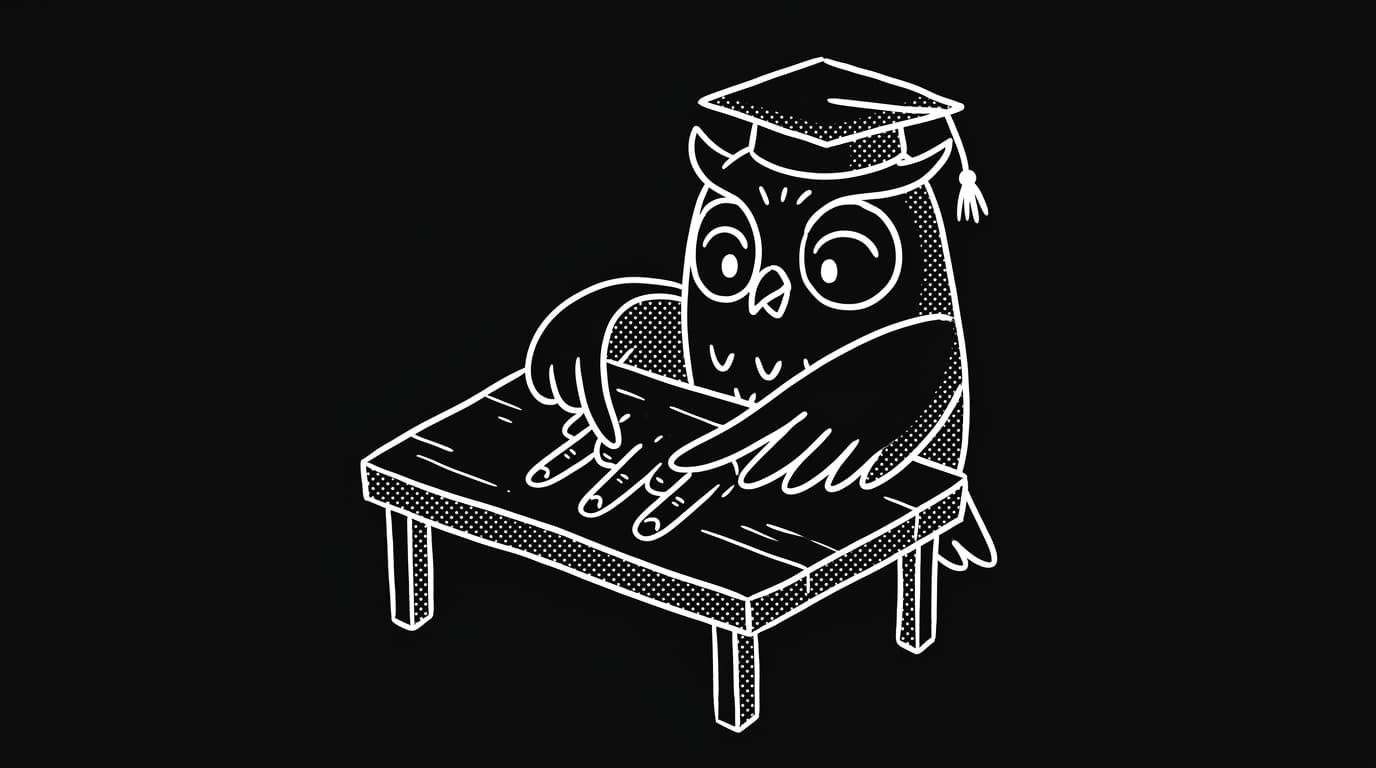
Put both hands flat on a table, palms down, fingers extended. The right hand holds the units column, with each finger worth one and the right thumb worth five. The left hand holds the tens column, with each finger worth ten and the left thumb worth fifty. To display a number, press the matching fingers down onto the table surface. Pressed fingers count toward the total and raised fingers do not. That is the whole system in two sentences. A learner who memorizes those value assignments can read and show any integer from 0 to 99 inside about sixty seconds of first exposure. The original 1977 Lieberthal workbook introduced the method using this same two-rule framing before adding addition and subtraction protocols later in the sequence.
The Finger Values You Need to Memorize
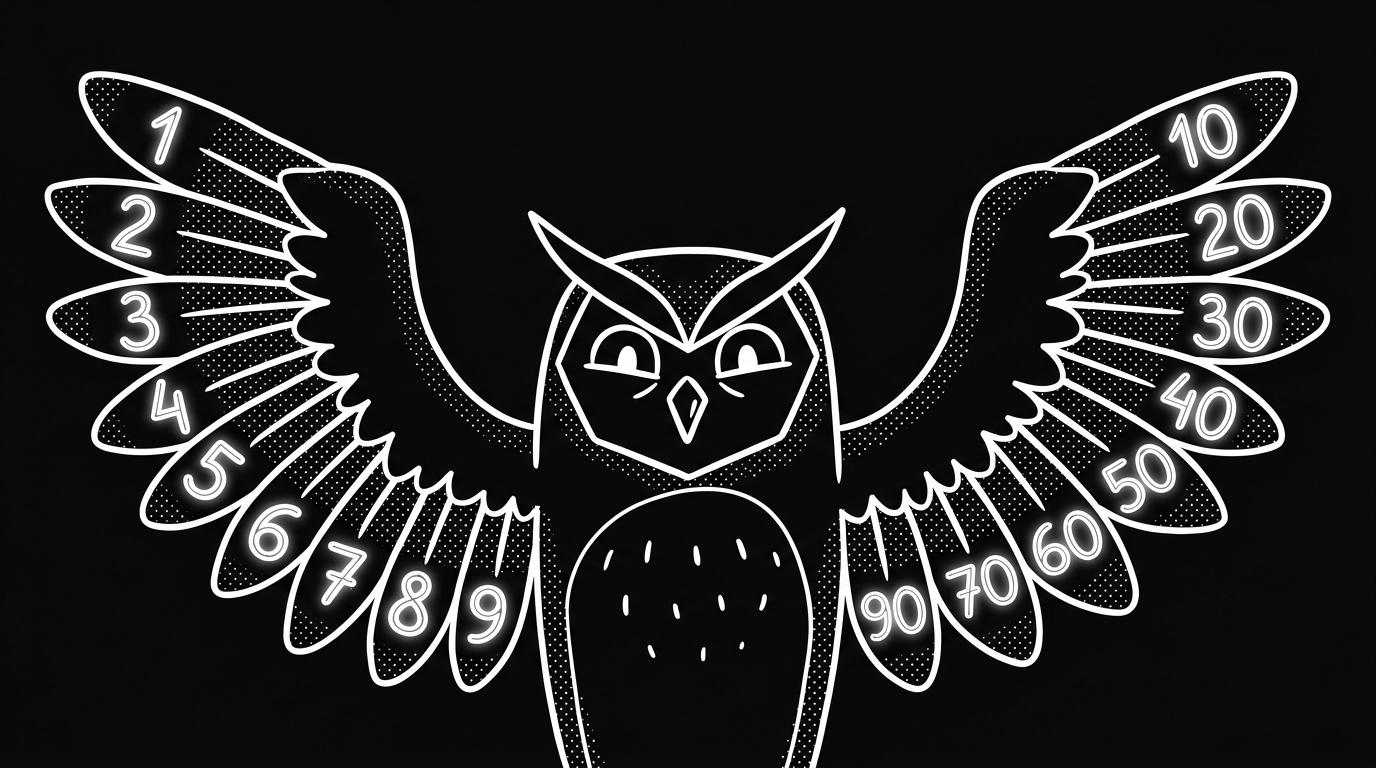
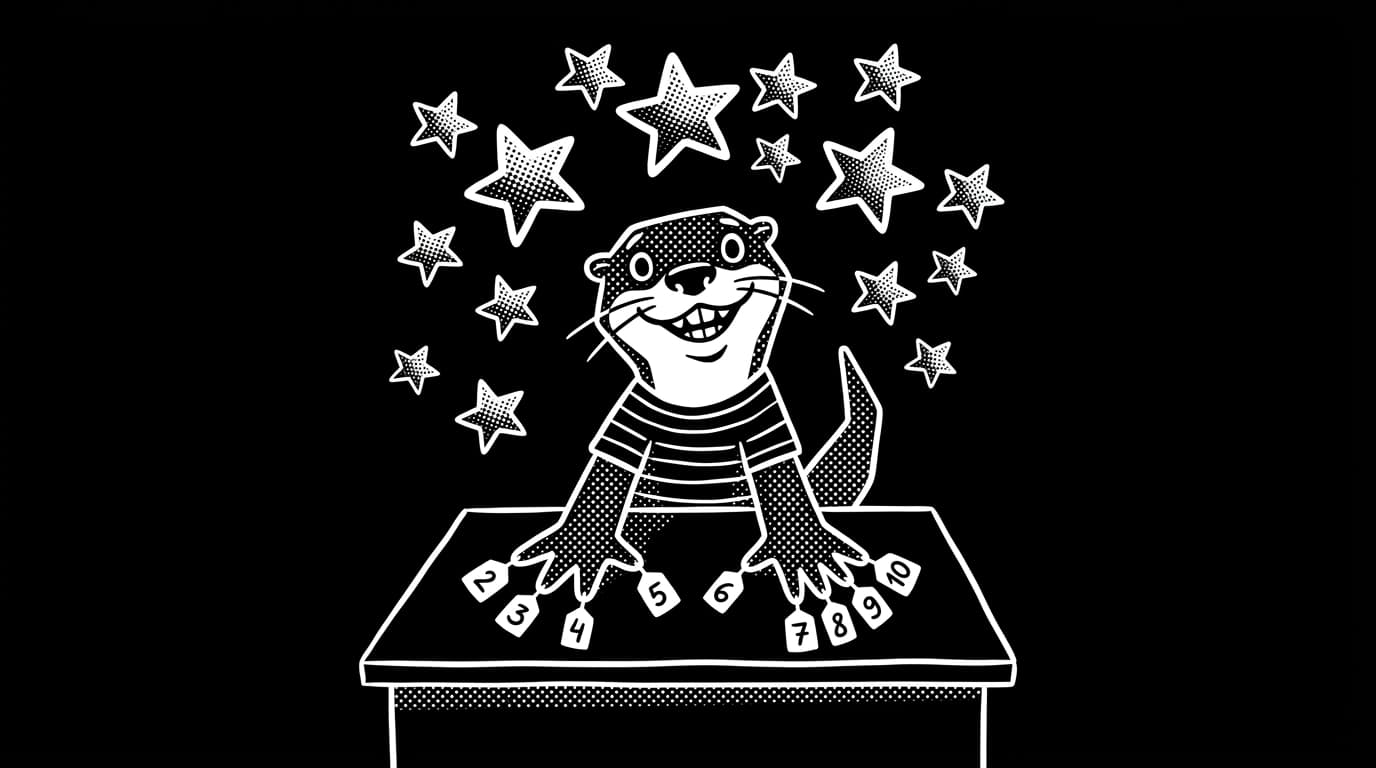
The value map is the only piece of memorization in the whole method, and it fits on a sticky note. Four fingers on the right hand each equal one, so the right-hand fingers together carry four. The right thumb equals five, which brings the right hand to a ceiling of nine. Four fingers on the left hand each equal ten, totaling forty. The left thumb equals fifty, which brings the left hand to a ceiling of ninety. Combined, the two hands reach ninety-nine, which is where the system stops.
- Right fingers: 1 each (max 4)
- Right thumb: 5
- Left fingers: 10 each (max 40)
- Left thumb: 50
Those four numbers are the entire vocabulary of the system. The move that trips most adults is accepting that the left thumb being worth fifty is not arbitrary. It mirrors how a Japanese soroban splits each column into one five-bead sitting above the bar and four one-beads below. Chisanbop is a soroban stripped of its frame, with the hands themselves acting as the two visible columns. Once a learner sees the parallel, the thumb rule stops feeling like a trick and starts feeling like an obvious consequence of place value.
Pressing 73: A Step-by-Step
73 is a good first worked example because it exercises both thumbs and three regular fingers at once. Start with both hands flat and nothing pressed. The target tens digit is seven, and seven on the left hand means the left thumb (worth fifty) plus two left fingers (worth ten each). Press the left thumb down, then the left index finger, then the left middle finger. The left hand now shows seventy. The target units digit is three, which means three right fingers and no thumb. Press the right index, middle, and ring fingers down together. The two hands now show 73. The whole press takes about three seconds once the value map is memorized, which is the main speed claim of the system.
Three Mistakes Beginners Make
Most Chisanbop breakdowns on day one come from the same three errors, and all three disappear with one session of corrected drill. The first is forgetting to lift fingers between numbers, which turns the hand into a running tally and corrupts every display after the first. The second is pressing the thumb and all four fingers of the right hand in two separate motions to show nine, which doubles the display time and tangles timing on multi-digit numbers. The third is swapping the hands and using the left for units, which breaks every addition and subtraction protocol later. Fix all three by drilling single-digit press-and-release ten times before touching two-digit numbers.
- Fully lift every finger before each new number.
- Roll the thumb and fingers in one smooth press, not two beats.
- Right hand is units, left hand is tens. Never swap.
FAQ for Parents and Teachers
The questions that come up again and again when a kid first picks up Chisanbop are worth answering in one place. Does it replace memorizing math facts? No, it builds the place-value intuition that makes memorizing math facts stick. Is it faster than a calculator or than mental arithmetic? No, and that was never the goal. Does it work for left-handed kids? Yes, because the right-hand-units and left-hand-tens assignment stays fixed regardless of hand dominance. Can an adult learn it? Yes, in about an hour, though the gains over internal mental arithmetic are small because adults already carry place value in their heads. Does it help with ADHD or dyscalculia specifically? The 1980 Purdue evaluation reported roughly 20 percent higher two-digit addition accuracy at grades 1 to 3 across the general population, with no segmented data on either condition, so claims beyond that are speculation.
Where to Go After You Hit 99
Fluency past 99 means moving off the hands. The place-value pattern that Chisanbop installs carries over to pencil work, to the longer history and mechanics write-up on Chisanbop, and to abacus methods that reach four and five digits. The natural next step for a kid who already hit the 99 ceiling is anzan, the mental abacus technique that top practitioners use to multiply three-digit numbers without writing anything down. A short daily puzzle keeps the muscle warm once the hands come off the table, and rotating through the full puzzle menu stops the practice from flattening into one pattern. The point of Chisanbop was never to live on your fingers forever. The point was to make sure the first number system a kid internalizes is one where the tens look like tens and the units look like units.